Business Waste Law & Fines in Merton: A Quick Brief
Posted on 29/07/2026

Business Waste Law & Fines in Merton: A Quick Brief
If you run a shop, office, cafe, salon, workshop, or rental business in Merton, waste compliance is not one of those things you can safely "sort later". Business Waste Law & Fines in Merton: A Quick Brief is really about avoiding an expensive headache before it starts. The rules are not mysterious, but they do matter: how you store waste, who takes it away, and whether you can prove it was handled properly all sit squarely on your side of the line.
Truth be told, most businesses do not get into trouble because they meant to do the wrong thing. They get caught out by small habits - leaving bags outside too early, using the wrong collection route, or handing rubbish to someone without checking their credentials. In this guide, we'll break it down in plain English, with a local Merton lens, so you know what matters, what can trigger fines, and what a sensible compliance routine actually looks like.
- Why this matters in Merton
- How business waste law works
- Benefits of getting it right
- Who needs to pay attention
- Step-by-step compliance guidance
- Expert tips for smoother waste handling
- Common mistakes to avoid
- Tools and useful resources
- Law, compliance and best practice
- Options and comparison table
- Real-world example
- Practical checklist
- Conclusion
- Frequently asked questions
Why Business Waste Law & Fines in Merton: A Quick Brief Matters
Business waste is treated differently from household rubbish, and that distinction is where a lot of trouble begins. If waste comes from your business activities, even in small amounts, it is usually classed as commercial waste. That means you need to dispose of it responsibly, keep records where required, and make sure the person collecting it is properly authorised.
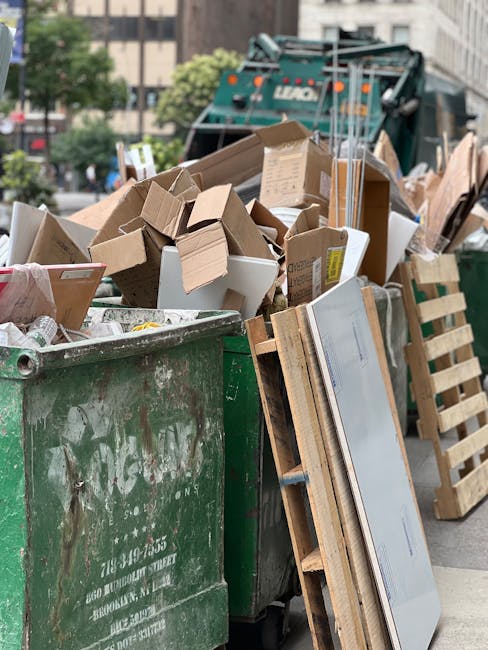
Why does this matter locally? Because Merton is a busy borough with a mix of high streets, workspaces, managed flats, construction projects, hospitality venues, and home-based trades. Waste can build up quickly. A few forgotten bin bags behind a shop or a stack of building debris left in the wrong place can become a visible nuisance, a complaint trigger, and a fine risk all at once.
There is also a reputational side that people overlook. Customers notice. Neighbours notice. Landlords notice. And once a business looks untidy or careless with waste, that impression tends to stick. No one wants to be the place with the sagging sack of cardboard at the back door and a mystery stain on the pavement. It sounds small, but it really isn't.
Key takeaway: business waste law is not just about avoiding penalties. It is about proving your business is organised, responsible, and safe to work around.
If you are already thinking about a cleaner, more reliable setup, it can help to review your wider waste approach alongside your service options and internal processes. Pages like services overview and waste carrier licence and compliance are useful starting points when you want the operational picture as well as the legal one.
How Business Waste Law & Fines in Merton: A Quick Brief Works
The basic principle is simple: if your business produces waste, you are responsible for arranging its lawful storage, collection, transport, and transfer. That responsibility does not disappear just because someone else loads the van. It stays with you until the waste is handed over correctly and, in practice, until you have the evidence to show it.
In everyday terms, that usually means three things:
- your waste must be stored safely and not cause obstruction, odour, pests, or spillages;
- it must be collected by someone who is authorised to take business waste;
- you should keep records or paperwork showing who collected it and when.
The fines can arise in a few different ways. Some are linked to incorrect disposal, some to fly-tipping, and some to failing to control your waste properly. A business may think, "We just left a few bags outside the unit for collection," but if those bags are not managed in line with local rules, they can be treated as an offence. Annoying? Absolutely. Surprising? Less so, once you know how the system works.
The other common point is duty of care. In plain English, this means you must take reasonable steps to make sure your waste is handled properly all the way through the chain. Choosing a collection service on price alone is where some businesses trip up. Cheap is not always cheap, if you end up dealing with enforcement, complaints, or a messy trail back to your premises.
For businesses that generate mixed waste streams, it can help to separate materials at source. General rubbish, cardboard, wood, metal, green waste, and appliances all behave differently in the real world and need different handling. If your waste looks like a jumble, you usually pay more and carry more risk. It's a bit like a drawer full of cables - nobody wants to open it, and nobody wants to sort it later.
Key Benefits and Practical Advantages
Staying on the right side of business waste rules is not just a defensive move. Done properly, it makes the whole business run better.
- Lower compliance risk: fewer chances of fines, notices, and avoidable disputes.
- Cleaner premises: tidier entrances, yards, stockrooms, and back-of-house areas.
- Better staff habits: clear systems reduce uncertainty about where waste goes.
- Improved customer impression: especially important for visible locations and client-facing spaces.
- More predictable costs: planned waste removal is usually easier to budget than emergency clear-outs.
- Reduced safety issues: less clutter means lower trip hazards, fewer pests, and easier access.
There is also a quieter benefit: peace of mind. When you know your waste process is sorted, you stop thinking about it every other day. That sounds minor, but for a busy owner or manager it matters. One less thing to chase. One less headache at 8:15 on a Monday morning.
For some firms, particularly those with regular waste volumes, a reliable commercial collection arrangement is the difference between a smooth week and a chaotic one. If that sounds familiar, it may be worth reviewing commercial waste removal in Merton and comparing it with your current setup. You may also want to see pricing and quotes so you can judge options more realistically.
Who This Is For and When It Makes Sense
This topic matters to a wide range of people, not just large businesses. In fact, smaller operations often have the least formal structure, which makes them more vulnerable to mistakes.
- Retail shops: packaging, old stock, display materials, and refurb waste.
- Hospitality venues: food waste, cardboard, glass, and hygiene-related disposal.
- Offices: paper, furniture, electronics, and fit-out debris.
- Trades and contractors: builders' rubble, timber, plasterboard, and mixed site waste.
- Landlords and managing agents: clear-outs, abandoned items, and end-of-tenancy waste.
- Home-based businesses: yes, these count too if the waste comes from business activity.
It makes sense to pay close attention when your waste volume changes. A shop refit, seasonal stock purge, office move, post-event clear-up, or landlord handover can suddenly produce far more waste than usual. That is when shortcuts creep in. Everyone is busy, the back room is full, and the easy option starts to look very tempting.
If you are moving premises, clearing a property, or handing over a unit, the waste situation can get messy fast. In those moments, it often helps to think beyond just bins and look at the broader clearance picture. Related pages such as house clearance in Merton, builders waste removal, and white goods and appliance disposal may be relevant depending on what is being removed.
Step-by-Step Guidance
Here is a practical way to handle business waste without overcomplicating it.
- Identify your waste types. Separate general waste from cardboard, food waste, electrical items, furniture, green waste, and construction debris.
- Estimate volume and frequency. A weekly shop waste output is very different from a one-off office strip-out.
- Choose a lawful collection route. Make sure the provider is appropriate for business waste, not just convenient.
- Store waste safely. Keep it contained, labelled where needed, and away from public access or spill risk.
- Keep your records. Hold onto collection details and invoices so you can trace what happened.
- Train staff. A simple internal rule sheet can prevent a lot of mistakes.
- Review the process regularly. Waste routines drift over time. What worked last year may not fit now.
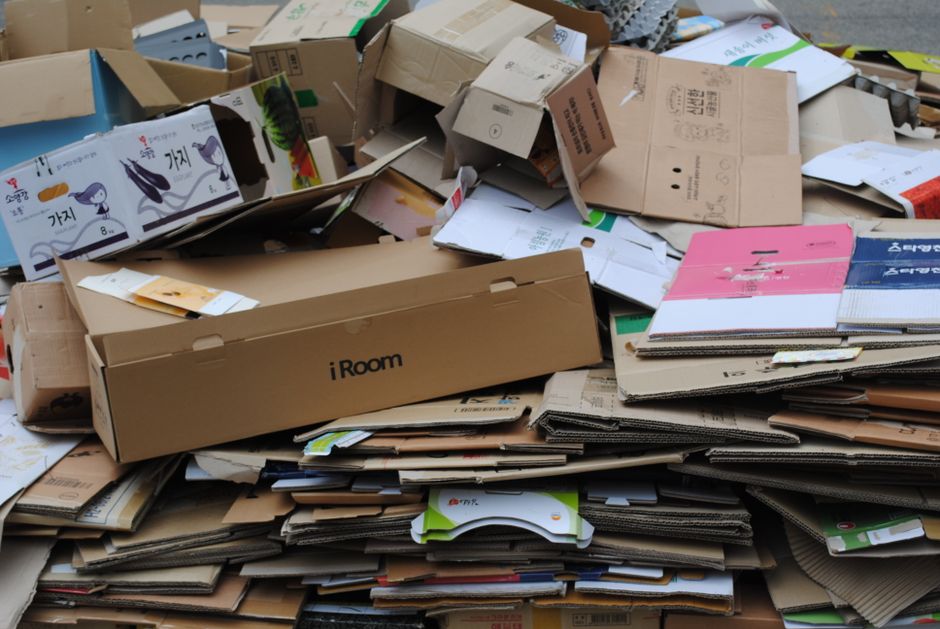
A practical example: if a cafe in Merton starts stacking flattened boxes beside the rear exit because the bin fills up too quickly, that may seem harmless for a day or two. But if the stack blocks access, attracts damp, or blows around in the wind, it becomes a problem. A better setup might be more frequent collection, a dedicated cardboard container, or a small change to delivery handling. Small fix, big difference.
And yes, it helps to ask one slightly boring question: who is actually responsible for this on a normal Tuesday afternoon? If nobody knows, that is usually the first thing to sort out.
Expert Tips for Better Results
Here is where a bit of practical experience saves time. The businesses that stay compliant usually do a handful of ordinary things well.
- Make waste visible to management. If only front-line staff notice the bins, you are already behind.
- Use clear labels. "General", "cardboard", "food", and "electrical" are far better than vague guesswork.
- Keep collections regular. Irregular pick-ups encourage overflow and bad habits.
- Check access routes. Narrow alley, locked gate, awkward stairs, or parking restrictions can all affect collection safely.
- Do not rely on memory. Keep paperwork in one place. Old-school folder or digital system - either is fine, just be consistent.
- Separate bulky items early. Furniture and appliances are often the items that create the biggest bottleneck.
To be fair, most people only think about waste when it starts getting in the way. That is normal. But it is much easier to deal with while it is still neat and contained. Once it becomes a pile, it becomes a project. And nobody enjoys a surprise project at closing time.
If your business is balancing compliance with sustainability, it can help to look at how the waste is being treated after collection as well. The site's recycling and sustainability page is a sensible read if you want to understand the wider environmental angle too.
Common Mistakes to Avoid
The same errors crop up again and again. Some are easy to miss until a complaint or inspection brings them into focus.
- Assuming all rubbish is the same. Business waste, household waste, trade waste, and bulky waste are not interchangeable.
- Using an unverified collector. If you cannot show proper handling, that is a risk.
- Leaving waste out too early. Bags on the pavement can lead to nuisance, obstructions, and questions.
- Mixing hazardous and non-hazardous items. Batteries, chemicals, and certain electrical items need extra care.
- Ignoring overflow. A "temporary" pile has a way of becoming permanent.
- Forgetting staff training. One person doing the right thing is not enough.
Another one that trips people up: treating a one-off clearance like it has no legal side. It still does. Clearing out an office before a move, for instance, is exactly the sort of scenario where paperwork and proper collection matter. If the job includes unwanted chairs, desks, or white goods, you may need a more structured plan than a quick bin run.
And yes, sometimes the biggest mistake is just leaving it until Friday evening. That rarely ends well.
Tools, Resources and Recommendations
You do not need a huge system to stay organised. A simple, repeatable setup often works best.
- Waste log: record date, type of waste, collection method, and who arranged it.
- Site map or store layout note: helpful for collection access and bin placement.
- Staff quick guide: a one-page "where this goes" sheet prevents confusion.
- Photo records: useful if you need to show how waste was stored or cleared.
- Supplier checklist: keep a record of who you use and why they were chosen.
For businesses that want a broader service view, the services overview page can help you see how different clearance types fit together. If you are comparing options, pricing and quotes is useful for getting a feel for value rather than just headline cost.
If you need to know more about how a provider handles authorisation and legal responsibilities, the waste carrier licence and compliance information is worth a look. It is one of those pages that seems dry until you realise how much trouble it can save you. Boring, yes. Useful, very.
Law, Compliance, Standards, or Best Practice
Business waste in the UK is governed by a mix of legal duties and accepted best practice. The exact requirements can vary depending on the kind of waste you produce, how much of it there is, and whether anything is hazardous or controlled. For that reason, it is sensible to treat the rules as a practical system, not a one-line answer.
At a high level, good compliance usually means:
- segregating waste sensibly;
- keeping it stored so it does not cause harm or obstruction;
- passing it to a properly authorised collector;
- maintaining records for accountability;
- avoiding fly-tipping or informal dumping;
- taking extra care with appliances, furniture, and anything that may contain hazardous components.
Best practice is a little wider than the law itself. It includes choosing transparent suppliers, reducing waste at source, and making sure staff know the basics. In a busy place like Merton, where footfall and vehicle access can be tight, practical compliance is often about reducing friction. Less clutter, fewer delays, cleaner handovers.
If you are handling mixed property-related waste, you may also find local guides useful for context. For example, businesses or landlords who are moving stock or clearing a unit often overlap with topics covered in the local rubbish cost guide and skip hire permit guidance. Not legal advice, of course, but helpful when planning a job properly.
One small but important note: if you are ever unsure whether a waste stream is classed as hazardous, treat it cautiously and get the handling route checked before moving it. That small pause can save a much larger mess later.
Options, Methods, or Comparison Table
Most businesses in Merton end up choosing between a few practical waste-handling methods. The right one depends on volume, frequency, access, and how much admin you are willing to carry.
| Method | Best for | Pros | Watch-outs |
|---|---|---|---|
| Regular commercial collection | Ongoing waste from shops, cafes, offices, and small sites | Predictable, tidy, easy to budget | Needs routine and clear container management |
| One-off clearance | Moves, refurbishments, stock purges, or office downsizing | Fast, practical, removes bulky items in one go | Can be more expensive if left to the last minute |
| Mixed waste sorting at source | Businesses wanting better recycling and lower contamination | Cleaner systems, often easier to manage long term | Needs staff cooperation and clear labels |
| Ad hoc collections | Irregular waste spikes | Flexible for occasional need | Easy to misuse and harder to control if not documented |
For many local businesses, the sweet spot is a mix of regular collection plus occasional extra support when a clear-out hits. That keeps things calm without locking you into more than you need. Calm is underrated, honestly.
Case Study or Real-World Example
Imagine a small independent retailer in Merton preparing for a stock refresh before a busy season. For months the waste routine was fine: cardboard folded neatly, general rubbish collected on schedule, and the back area stayed manageable. Then the deliveries increased, packaging doubled, and a few damaged display units were set aside "just until we get time".
Within days the rear store room was crowded. Staff had to squeeze past stacked boxes. A customer at the next unit noticed the overflow and mentioned it to the landlord. Suddenly it was no longer just a tidy-up issue - it had become a visible management problem.
The fix was straightforward enough: separate the waste streams, book a proper clearance for the bulky items, review collection frequency, and put one staff member in charge of checking the storage area at the end of each shift. Nothing dramatic. No miracle. Just structure.
The lesson? Compliance usually improves when the waste system is made practical. If people can follow it in real life, it works. If it only works on paper, it probably won't survive a busy week.
This is also where local awareness matters. Businesses in busy parts of Merton, or near tighter access streets, often need to think ahead about timing, vehicle access, and whether a same-day or scheduled service makes more sense. A useful side read here is same-day bulky waste in Merton if your situation is more urgent than usual.
Practical Checklist
Use this simple checklist before you next arrange business waste removal.
- Have you identified every waste type on site?
- Do you know which items need special handling?
- Is your waste stored neatly, safely, and away from public access?
- Have you chosen a lawful and suitable collection route?
- Do you keep records of collections and supplier details?
- Are staff clear on what goes where?
- Have you checked whether bulky items need separate removal?
- Do you know what happens if waste volumes suddenly increase?
- Have you reviewed your process in the last few months?
- Would your current setup still make sense during a busy week?
If you can answer yes to most of those, you are in a decent place. If not, no drama - it just means there is some housekeeping to do. Better now than after a complaint or enforcement issue.
Conclusion
Business Waste Law & Fines in Merton: A Quick Brief really comes down to this: treat waste as part of your operational responsibility, not a side issue. The businesses that handle it well are usually not the ones with the fanciest system. They are the ones with a clear routine, the right collection method, and a habit of checking details before things get messy.
That approach saves time, reduces risk, and keeps your premises looking like you mean business. Which, let's face it, is exactly the point.
If you are reviewing how your business handles rubbish, bulky items, or regular commercial collections, it is worth taking one calm look at your setup this week rather than waiting for a problem to force the issue. A tidy system tends to pay for itself in quiet ways. Fewer surprises. Fewer awkward conversations. Much better mornings.
Get a free quote today and see how much you can save.