Garden Rubbish Removal by Morden Hall Park (SM4)
Posted on 18/06/2026
If your garden near Morden Hall Park has turned into a tangle of branches, turf, soil bags, broken planters and a few mystery items that somehow appeared after a weekend tidy-up, you are not alone. Garden clear-outs have a habit of growing arms and legs. One minute you are cutting back a hedge; the next you are staring at a small mountain of green waste and wondering how on earth to get rid of it properly.
This guide explains Garden Rubbish Removal by Morden Hall Park (SM4) in plain English: what it involves, how it works, who it suits, what to watch out for, and how to make the whole job easier. Whether you are dealing with a one-off garden reset, a post-storm cleanup, or regular green waste collection, you will find practical advice here. We will also cover local considerations, compliance, and smart ways to choose the right service without overcomplicating things.
For readers who want a broader look at local waste help, the services overview gives a useful snapshot of the main collection options available. And if you are comparing prices, it is worth checking pricing and quotes early on so you can plan the job properly.
Practical takeaway: the best garden rubbish removal service is the one that clears everything safely, separates recyclable material where possible, and leaves you with a tidy space without turning the day into a long, messy project.

Why Garden Rubbish Removal by Morden Hall Park (SM4) Matters
Garden rubbish removal is about much more than making a space look neat. In a place like Morden Hall Park and the wider SM4 area, gardens are often an extension of daily life: family space, entertaining space, or simply the bit of quiet you retreat to after a busy week. When garden waste piles up, it quickly affects how the whole property feels. A few bags of cuttings are manageable. A full clear-out of old fencing, rotten timber, hedge trimmings and soil is a different story.
There is also a practical side. Wet garden waste is heavy. Thorny cuttings are awkward. Old compost bags split at the worst possible moment. And let's face it, most people do not want to spend half a Saturday loading a car with damp branches only to queue at the tip. A proper garden waste removal service saves time, reduces strain, and helps make sure the material ends up where it should.
For larger jobs, this can also connect with other services. For example, if your garden tidy-up is part of a broader home reset, you might also look at house clearance in Merton or domestic waste collection in Merton. That is especially handy if the shed, garage, and garden have all quietly become one giant storage problem. Happens all the time, truth be told.
There is one more reason it matters: responsible disposal. Green waste can often be recycled or composted, but only if it is separated and handled properly. A good service will think about that from the start, not as an afterthought.
How Garden Rubbish Removal by Morden Hall Park (SM4) Works
The process is usually straightforward, though the exact approach depends on the amount and type of waste. In most cases, it starts with a quick description of what needs removing. A photo helps, especially if there are mixed materials or bulky items hidden under the hedge clippings.
From there, the provider will normally assess the load, estimate the labour involved, and arrange a collection time. Some jobs can be done same day if timing works out. Others need a booked slot, particularly if the load is large or access is a bit tight. Garden paths, side passages, narrow gates and shared driveways can all affect how the collection is carried out.
A typical collection might include:
- hedge trimmings and shrub cuttings
- grass cuttings and weeds
- branches, logs, and small tree waste
- old compost, soil, turf, and plant pots
- broken garden furniture or fencing
- general outdoor clutter from sheds or patios
If you have heavier mixed waste, a service may need to treat part of the load differently. For instance, garden waste mixed with plasterboard, rubble, or broken furniture is not the same as clean green waste. That distinction matters because it affects sorting, disposal, and cost. If builders' debris has crept into the job, builders waste removal in Merton may be the more suitable route.
One useful thing to know: reputable teams will often load the waste for you, sweep up afterwards, and try to separate recyclable material where practical. It is a simple service on the surface, but the good ones pay attention to the fiddly parts. That is where the quality shows.
Key Benefits and Practical Advantages
The biggest benefit is obvious enough: you get your garden back. But there are several other advantages worth noting, especially if you are deciding whether to do it yourself or pay for collection.
- Time saved: no repeated trips to a waste facility, no sorting a trailer, no waiting around.
- Less physical strain: lifting heavy bags of wet waste is harder than it looks, particularly with soil and turf.
- Cleaner finish: a proper clearance often includes sweeping or basic tidying so the area feels usable again.
- Better recycling outcomes: green waste can be diverted from landfill where handled correctly.
- Reduced risk of injury: sharp branches, broken pots, nails in old timber, and slippery cuttings can all cause accidents.
- More flexible for mixed jobs: ideal if your garden project is tied to moving house, redecoration, or a wider clear-out.
A quieter benefit is peace of mind. You do not have to second-guess whether the skip is in the right place, whether you have enough labour, or whether you have separated the waste well enough. A decent provider sorts the logistics and keeps the day moving. That can be a relief on a busy street, especially if you are trying to juggle work, school runs, or just normal life.
For people wanting a greener approach, it may help to read the company's recycling and sustainability information. It gives a better sense of how waste is handled beyond the pickup itself. Small detail, but an important one.
Who This Is For and When It Makes Sense
Garden rubbish removal near Morden Hall Park makes sense for a wide range of people. Not every garden job needs a professional collection, of course. But there are plenty of moments where it is the sensible option.
You might need it if you are:
- tidying up after a major pruning session
- clearing an overgrown garden before selling or letting a property
- disposing of storm damage, fallen branches, or windblown debris
- refreshing a garden after a long period of neglect
- removing old fencing, pots, sleepers, or broken outdoor furniture
- preparing an outdoor space for landscaping or patio work
- moving into a property where the garden has been left with a bit of a surprise, to be fair
It is also a strong option for landlords, letting agents, and small businesses managing outdoor areas. A commercial property with a shared courtyard or garden can quickly look tired if waste is left sitting around. If that sounds familiar, you may also find commercial waste removal in Merton useful.
One local scenario comes up again and again: someone inherits a garden that looked "manageable" from the back window, but once work starts, they discover layers of old cuttings, half-rotted timber, and three different kinds of broken planter. That is usually the moment people realise they need a proper collection rather than a car boot full of trips.
Step-by-Step Guidance
If you want the process to go smoothly, a little planning goes a long way. The best collections are the ones where the waste is easy to assess and the access is clear. Here is a practical step-by-step approach.
- Walk through the garden. Look at everything that needs removing, not just the obvious pile. Check corners, under shrubs, behind sheds, and around fences.
- Separate what can be separated. Keep green waste apart from rubble, metal, plastics, or furniture if you can. Clean loads are easier to handle.
- Take a few photos. A couple of wide shots and one close-up usually give enough detail for an accurate quote.
- Check access. Measure gate widths if needed, and note steps, narrow paths, or awkward turns.
- Decide what must go first. Sometimes it helps to remove bulky items before smaller cuttings, simply to create space.
- Confirm the pickup time. If you need the garden usable by a certain day, say so early.
- After collection, inspect the area. A good team should leave things tidy, but it is worth checking for hidden debris, stray nails, or sharp fragments.
If your garden waste is bundled together with old house clutter, it may be more efficient to arrange a broader collection. In that case, a provider offering furniture removal in Merton can help with outdoor chairs, broken loungers, or other bulky items that are no longer useful.
And if you are buying or selling locally, a tidy exterior can matter more than people expect. A neglected garden has a way of making the whole property feel smaller and less cared for. It is a visual thing, but a powerful one. There is a reason estate-style tidying jobs often start outdoors.
Expert Tips for Better Results
A few simple habits can make garden rubbish removal cheaper, faster, and less stressful. Nothing dramatic. Just sensible steps that save everyone time.
- Keep green waste clean where possible. Soil clinging to roots is normal, but avoid mixing in household rubbish, rubble, or food waste.
- Bundle long branches if practical. It makes handling easier and can reduce the number of awkward loose pieces.
- Do a quick check for hidden items. Old tools, broken hose reels, and rusty screws often hide under leaves.
- Book after the pruning is complete. If more cutting is planned, it is often better to wait until the job is finished so you only clear once.
- Use the collection as a reset point. Once the waste is gone, trim the process right back. Sweep, neaten edges, and keep what you actually use.
One practical tip that is easy to miss: wet weather changes everything. A load that looks manageable on a dry morning can become unexpectedly heavy after an afternoon shower. London weather likes to keep things interesting. If rain is due, it can be wise to schedule collection sooner rather than later.
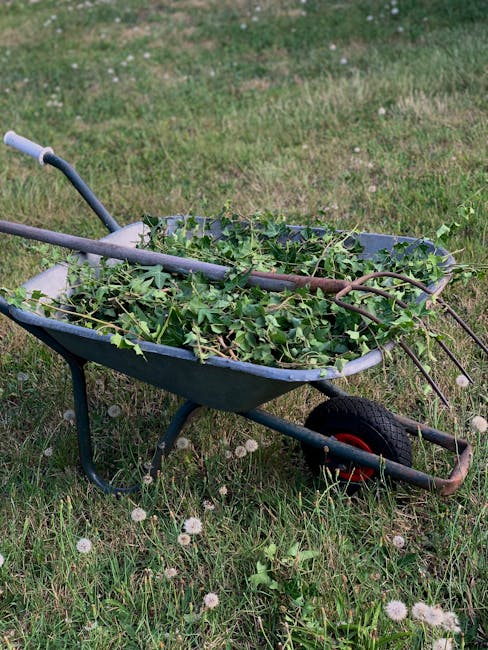
Another small but useful thing: if you have thorny cuttings or prickly plants, put them in a clearly marked pile or bag. That makes handling safer for everyone. A little effort upfront, fewer unpleasant surprises later. Simple as that.
Common Mistakes to Avoid
Most problems with garden rubbish removal are avoidable. Usually it is not the waste itself that causes trouble, but the way it has been sorted, stored, or described.
- Mixing too many waste types together. Green waste, timber, soil, and general junk may need to be handled differently.
- Underestimating the volume. Garden waste expands. A pile that looks modest can occupy far more space once loaded.
- Forgetting access issues. A narrow side return, a locked gate, or soft ground can change how the job is done.
- Leaving the quote too vague. If you say "a bit of garden waste" but mean three large piles and a dismantled shed, expectations will be off.
- Ignoring compliance. Unlicensed waste handling can create problems for the homeowner too, not just the collector.
Another common mistake is waiting too long. Garden waste left in damp corners becomes heavier, smellier, and more compact over time. It can also attract pests, which is never fun. The sooner it is cleared, the easier it is to manage. There's no glamour in that, but it's true.
If you are not sure whether something counts as garden waste or general bulky waste, ask before collection. That small question can save a lot of awkwardness on the day.
Tools, Resources and Recommendations
You do not need a warehouse full of equipment to prepare for a garden clearance, but a few basic tools help enormously. Whether you are doing a bit of sorting before collection or tackling the tidy-up yourself, a simple setup makes the work safer and neater.
- heavy-duty garden bags or rubble sacks
- gloves with decent grip
- secateurs or loppers for final trimming
- a rake for leaves and loose debris
- a broom or brush for patios and paths
- tarpaulins for keeping piles contained
- labels or marker pens if you are separating loads
For people planning a larger home or garden reset, it can also help to read about local property and area context. The blog post on Merton's charm and character gives a nice sense of the area, while why Merton is a great place to call home is a useful reminder of why keeping outdoor spaces tidy adds so much value to daily life.
It is also sensible to review a provider's trust pages. A proper company should make its policies easy to find, including about us, insurance and safety, and waste carrier licence and compliance. Those pages might not be thrilling reading over a cup of tea, but they tell you a lot about professionalism.
Law, Compliance, Standards, or Best Practice
Garden rubbish removal should be carried out by a provider that handles waste responsibly and in line with UK expectations for waste transport and disposal. You do not need to become an expert in environmental law just to clear a pile of branches, but it is sensible to understand the basics.
In practice, that means checking that the company is appropriately licensed to carry waste, that it can dispose of material through legitimate channels, and that it takes care with recycling and segregation where possible. If you hand your waste to someone unlicensed, you can end up dealing with the consequences if it is dumped illegally. That is an unpleasant mess, and completely avoidable.
Good best practice usually includes:
- clear pricing or at least clear quotation terms
- appropriate waste transfer documentation where required
- safe lifting and loading methods
- careful handling of sharp or heavy items
- respect for property access, walls, gates, and shared spaces
It is also worth checking how a provider approaches security and payment. Pages such as payment and security and terms and conditions should be easy to understand. Clear terms are a good sign. So is transparency around privacy, which is why a visible privacy policy matters as well.
For households and businesses that care about ethical practice, it can also be reassuring to review a company's modern slavery statement. It is one of those behind-the-scenes details that says a lot about the organisation's standards.
Options, Methods, or Comparison Table
There are a few ways to deal with garden waste. The right choice depends on the amount of material, your access, your timescale, and how much lifting you want to do yourself. Here is a simple comparison.
| Method | Best for | Pros | Trade-offs |
|---|---|---|---|
| DIY trips to a waste facility | Small, manageable loads | Can be low-cost if you already have transport | Time-consuming, heavy lifting, multiple journeys |
| Skip hire | Large, ongoing garden projects | Convenient for long jobs and mixed waste | Requires space, permits may be needed, and filling can be awkward |
| Professional garden rubbish removal | Most one-off clearances and mixed outdoor waste | Fast, hands-off, labour included, flexible | May cost more than DIY, but often saves time and effort |
For many people in SM4, the third option strikes the best balance. You get the waste gone quickly without having to sort out a skip permit or spend the afternoon loading wet branches into a hatchback. That said, if you have a huge landscaping project, a skip can still make sense. It depends on the job, not the trend.
One useful rule of thumb: if the waste is scattered, awkward, or mixed, a collection service tends to be easier. If you are producing a steady stream of material over several days, a skip may be worth considering.
Case Study or Real-World Example
Here is a realistic example based on the kind of garden clearance request that comes up often near Morden Hall Park.
A homeowner had spent months letting a rear garden slide after a fencing project stalled. By the time they were ready to move ahead, the space had become a mix of clipped branches, a broken trellis, old plant pots, a rusted table frame, and damp bags of soil that had started to sag under their own weight. Nothing unusual, really. Just one of those gardens that quietly gets on top of you.
The first step was sorting the waste into broad groups: green waste, timber, and bulky mixed items. The access route was checked carefully because the side passage was narrow and the gate only opened part way. That mattered. A lot. Once the collection was planned around access, the team could load efficiently without damaging walls or leaving debris behind.
The useful lesson here was not dramatic, but it was practical: a clear description and a bit of sorting beforehand made the job smoother, faster, and less expensive than if everything had been left in one messy heap. The garden was ready for the next stage of work, and the owner could finally see the space again. Sometimes that first clear patch is the point where the whole project starts feeling possible.
And that is the real value, isn't it? Not just waste removal, but momentum.
Practical Checklist
Use this checklist before arranging garden rubbish removal by Morden Hall Park (SM4). It keeps the job simple and avoids last-minute confusion.
- Identify all waste items that need removing
- Separate green waste from non-green waste where practical
- Check for hidden sharp objects, nails, or broken glass
- Measure access points, gates, and side passages
- Take clear photos of the pile or piles
- Note whether the waste is dry, wet, heavy, or compacted
- Ask about recycling and disposal routes
- Confirm whether sweeping or light tidying is included
- Review pricing, terms, and payment details
- Schedule the collection for a time that suits the work you are doing
Quick quality check: if the quote, access, and waste description all line up, the collection day usually runs much more smoothly. No drama, no surprises. Well, fewer surprises anyway.
Conclusion
Garden rubbish removal by Morden Hall Park (SM4) is one of those services that pays off in both practical and emotional ways. It clears the clutter, reduces the hard labour, and gives you back a space that feels usable again. Whether you are dealing with a one-off seasonal tidy, storm damage, or a full garden reset, the right approach is usually the simplest one: sort the waste sensibly, check access, choose a licensed provider, and make sure the disposal route is handled properly.
If you are planning a bigger clean-up, you may also want to explore related services and trust pages such as garden waste removal in Merton, the services overview, and waste carrier compliance. They can help you choose the right next step with a bit more confidence.
Get a free quote today and see how much you can save.
And once the waste is gone, the garden tends to breathe again. A patch of clean paving, a cleared border, the sound of birds instead of rustling bags. Small things, but they matter.